Case Study 1: CAD MODELLING
In this case study, we showcase our expertise in CAD modelling, demonstrating how we transformed a client’s initial concept into a fully-realised product.
Through meticulous design processes and advanced modelling techniques, we navigated the complexities of the project, ensuring that every detail aligned with the client’s specifications and vision.
The requirement
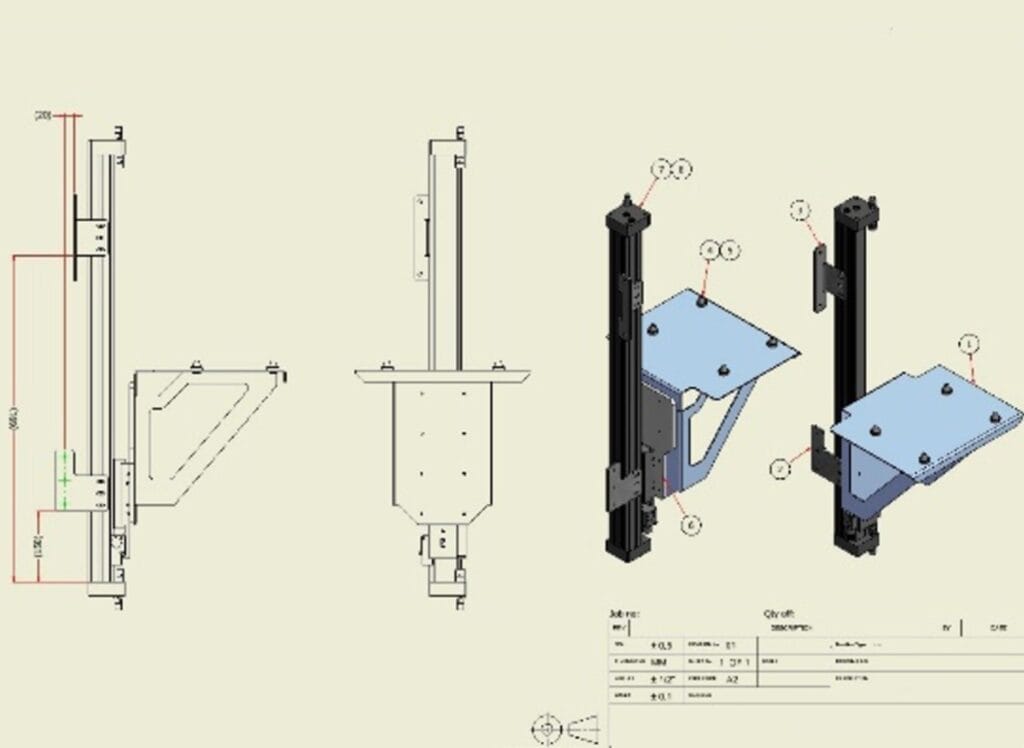
XYZ company approached Wide Design Limited to design a Linear Vertical Elevator that could handle the accelerations and decelerations of a 21 kg mass at a frequency of 20 Hz.
The project involved conducting Modal Vibration and Forced Vibration Analyses to stiffen the structure as needed, and required 3D modelling, tolerance analysis, motor sizing, drawing generation, manufacturing follow-up, and Finite Element Analysis (FEA) for both modal and forced vibration analysis.
The project was completed in two phases, with the goal of producing a fully functional unit.

The Process
The design process followed Wide Design’s established strategy cycle. We began by creating highly functional 3D parametric models and, through regular customer interactions and strategic decision-making, developed an initial prototype.
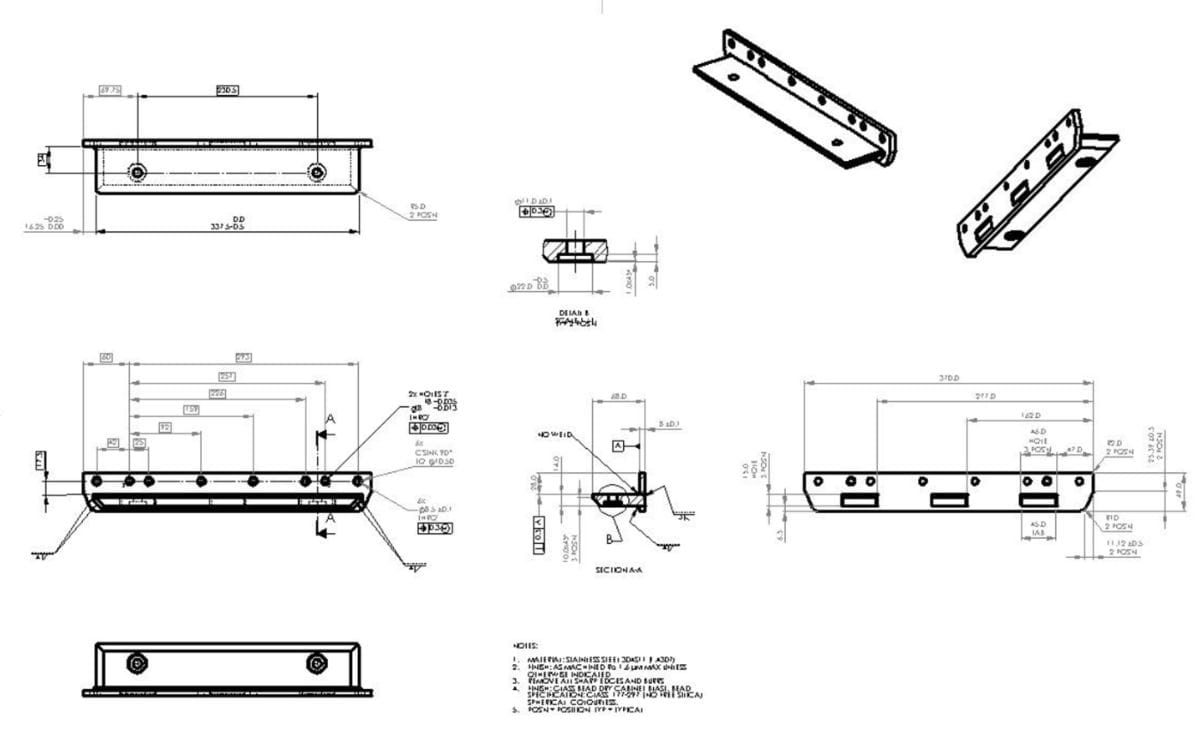
We also designed high precision components and created manufacturing drawings, which allowed us to clearly identify the required materials and specifications.
The linear guides, motors, and power transmission parts (belts and shafts) were carefully selected and manufactured, with extensive hand calculations to ensure their suitability for the application.
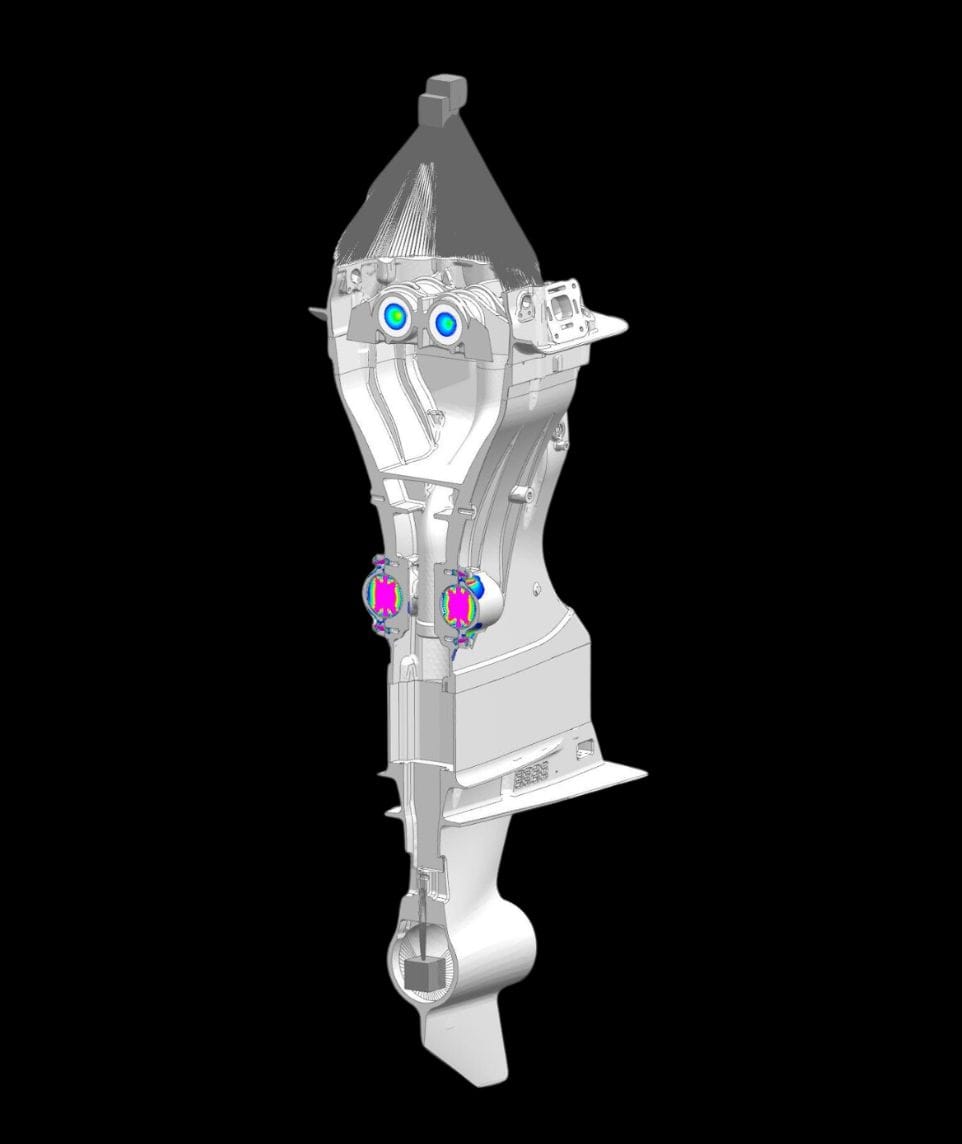
During the second phase, we used Finite Element Analysis (FEA) to address any potential issues with vibration levels that may not have met the specified requirements.
We conducted a modal analysis to identify any weaknesses in the structure and made necessary adjustments to stiffen it and introduce new parts to control vibrations. We revised the models and drawings and generated a final set of drawings for manufacture, ensuring they were in accordance with ISO 8888 . The project was successfully completed.
The outcome
The working product met the customer’s initial requirements, but our goal was to enhance its overall performance and features.
After a collaborative effort, we successfully refined the design within two months, ensuring that the updated specifications were met effectively.
The final design was achieved within four and a half months from the beginning of the second phase, demonstrating our commitment to timely delivery and quality engineering.
This process not only satisfied the client’s expectations but also highlighted our ability to provide tailored solutions that address their specific needs.